
Air quality isn't one number.
It's temperature, humidity, particles, and ventilation working together. We look at the full picture — how the systems in your home interact — before we recommend anything worth changing.
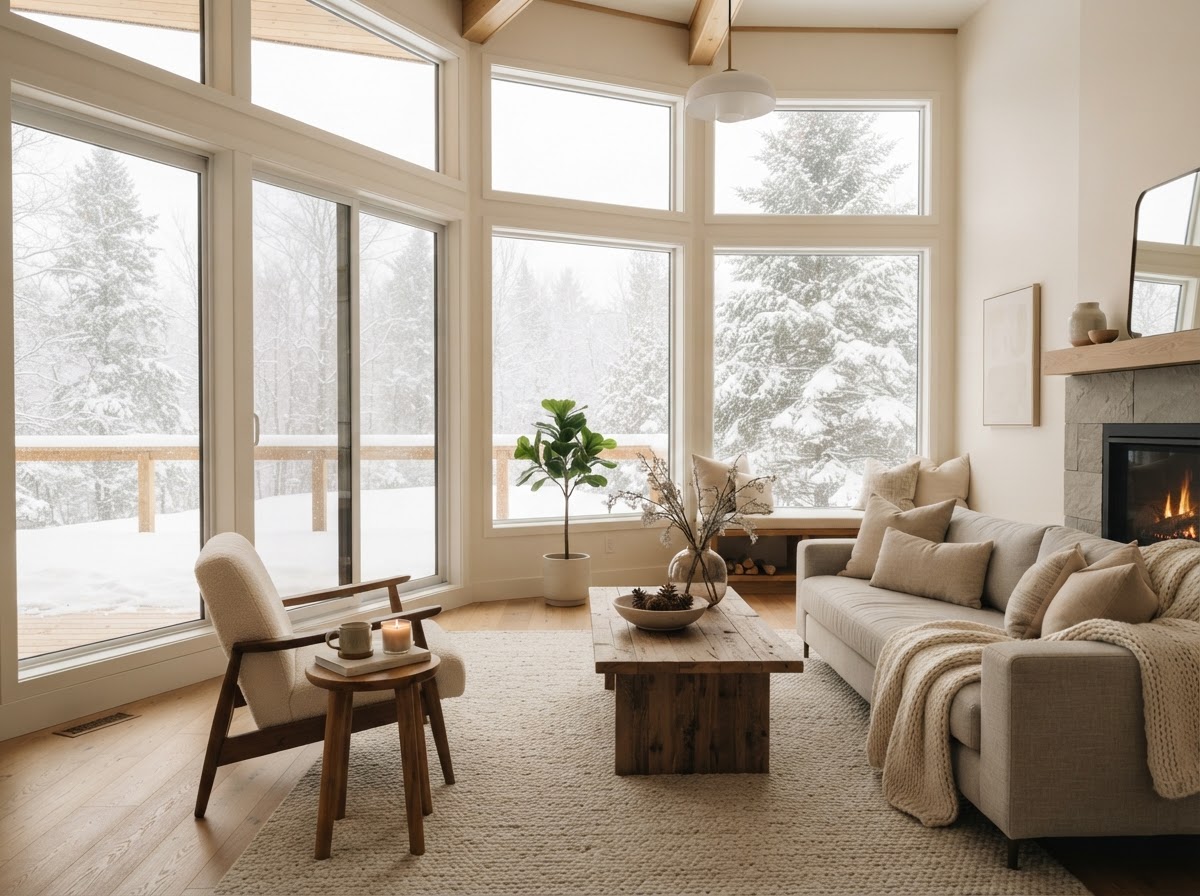
The factors that actually interact.
Most indoor air quality advice stops at "buy a better filter." That's not where it starts. These factors interact, and changing one changes the others.
Filtration
A better filter doesn't always mean better filtration. The right filter matches your system's airflow capacity and your actual air-quality concerns.
Humidity
Dry winter air feels colder than the thermostat reads; humid summer air feels warmer. Humidity changes how comfort actually feels and how air behaves.
Ventilation
How stale air leaves and fresh air comes in. Homes are built tighter than they used to be — good for energy, but it changes how air moves.
Particles
What's in the air and how much of it. The question is what's worth removing, and at what cost to the airflow your system needs.
Understand first. Recommend second.
Assess the system
We look at how filtration, humidity, and ventilation interact in your actual home — not a generic checklist.
Explain what we find
You get a plain-English explanation of what's happening with your air and why it matters.
Recommend only what's worth it
If a change helps, we'll say so. If it doesn't, we'll say that too. No upselling.
Note: We do not make medical claims about indoor air quality. We educate, encourage appropriate testing, and provide professional assessment.
Radon is part of air quality too.
It's invisible, odourless, and only knowable by measuring. See how we approach it.
Let's look at the full picture.
Book an air quality assessment, or ask us a question. We'll explain what's actually going on.